Beckman Auditorium, Monday, 10/12, 4pm
 Kimberly Davis, associate professor of English at Bridgewater State University, will give a talk related to her recent book,Beyond the White Negro: Empathy and Anti-Racist Reading. The book examines how white readers engage with African American texts (through book clubs, listening to hip hop, watching films) in ways that are both problematic and can potentially lead to genuine self-examination and change. Sponsored by Sigma Tau Delta and The English Society.
—–
From the University of Illinois Press: “Critics often characterize white consumption of African American culture as a form of theft that echoes the fantasies of 1950s-era bohemians, or “White Negroes,” who romanticized black culture as anarchic and sexually potent. InBeyond the White Negro, Kimberly Chabot Davis claims such a view fails to describe the varied politics of racial crossover in the past fifteen years.
Drawing on her background in the study of cross-racial empathy, Kimberly Chabot Davis analyzes how white engagement with African American novels, film narratives, and hip-hop can help encourage anti-racist attitudes that may catalyze social change and racial justice. Though acknowledging the oft-bemoaned failure to establish cross-racial empathy, Davis’s study of ethnographic data from book clubs and college classrooms shows how a combination of engagement with African American culture and informal or formal pedagogical support can lead to the kinds of white self-examination that make empathy possible. The result is a groundbreaking text that challenges the trend of focusing on society’s failures in achieving cross-racial empathy and instead explores possible avenues for change.
“Davis’s book is a timely analysis of the relationship between audience reception and antiracist action. . . . Davis’s argument goes beyond the claim that educating whites in African American history and culture can lead to antiracist reading practices to say that antiracist reading is one part of white engagement with African American culture more broadly.”–Reception: Texts, Readers, Audiences, History
“[Davis’s] readings are astute and innovative. Her study of the cross-racial empathy of white rappers and her comparison/contrast of Do the Right Thing and Crash are especially effective. With a solid scholarly foundation, she takes real risks in her thinking about race.”–Cecilia Konchar Farr, author of Reading Oprah: How Oprah’s Book Club Changed the Way America Reads
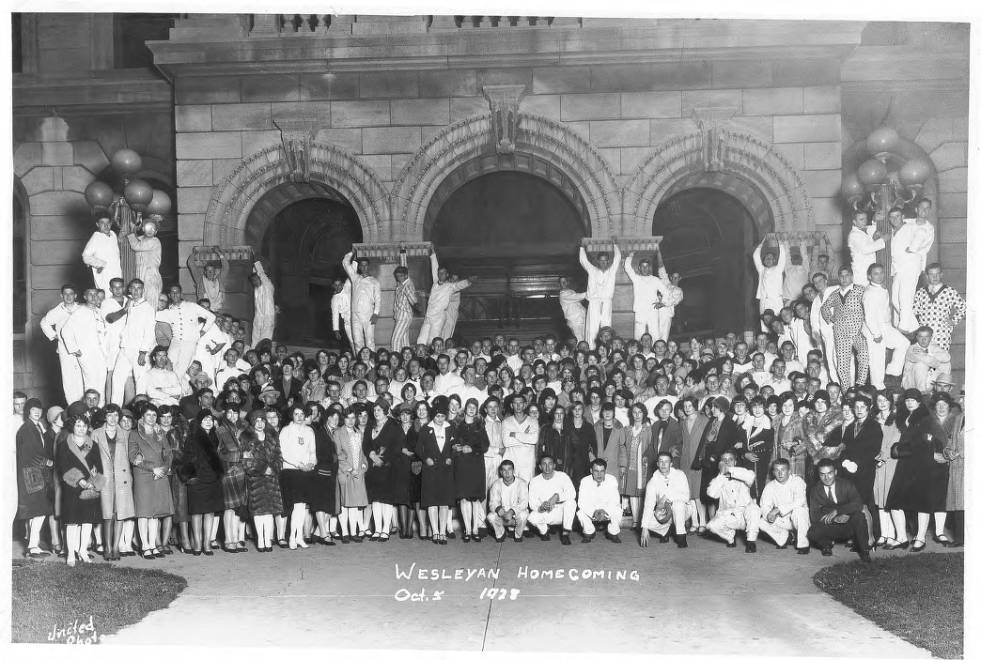
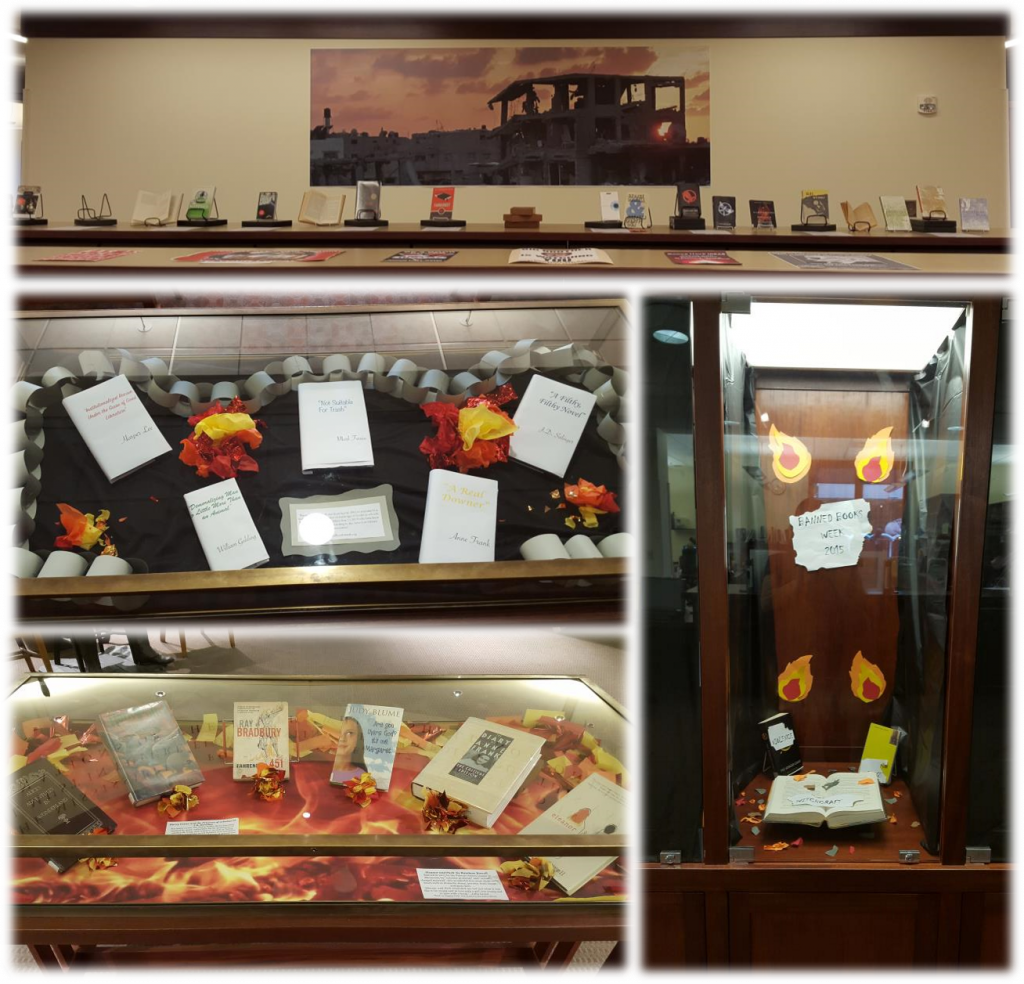 Banned Books Week is the national book community’s annual celebration of the freedom to read. Hundreds of libraries and bookstores around the country draw attention to the problem of censorship by mounting displays of challenged books and hosting a variety of events. The 2015 celebration will be held September 27-October 3.
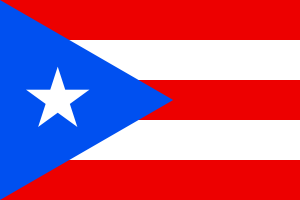 ideas of nationalism. By examining how the Olympic movement developed in Puerto Rico, Antonio Sotomayor illuminates the profound role sports play in the political and cultural processes of an identity that developed within a political tradition of autonomy rather than traditional political independence. Dr. Sotomayor’s talk describes the surprising negotiations that gave rise to Olympic sovereignty in a colonial nation, a unique case in Latin America, and uses Olympic sports as a window to view the broader issues of nation building and identity, hegemony, postcolonialism, international diplomacy, and Latin American–U.S. relations. Dr. Sotomayor’s lecture is part of the 2015-16 University Theme “A Nation(s) Divided?” For more information on this event, please contact Prof. Carmela Ferradáns cferrada@iwu.edu
 A Sinner’s Semester at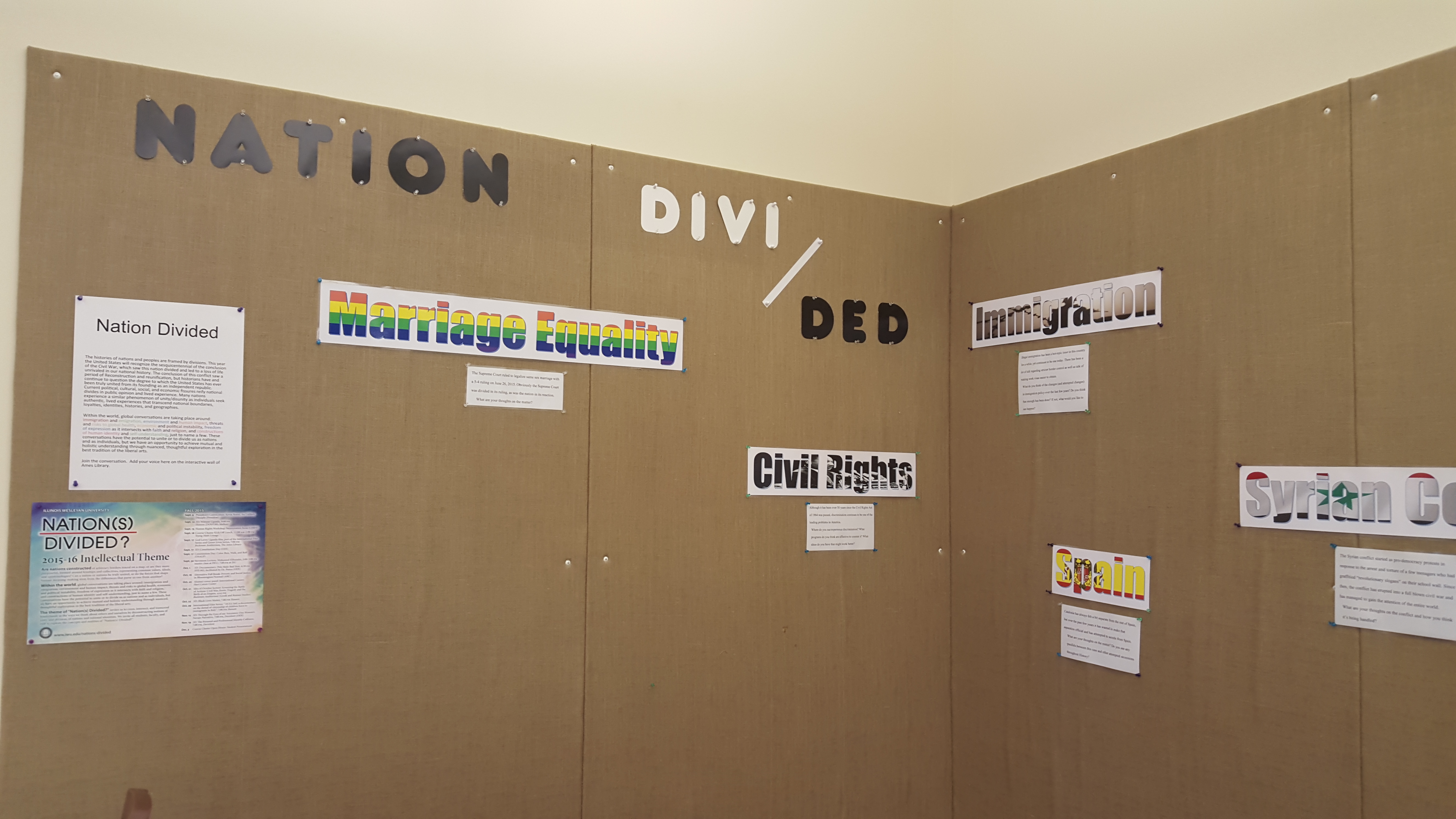
 check out a Kindle and borrow books electronically?