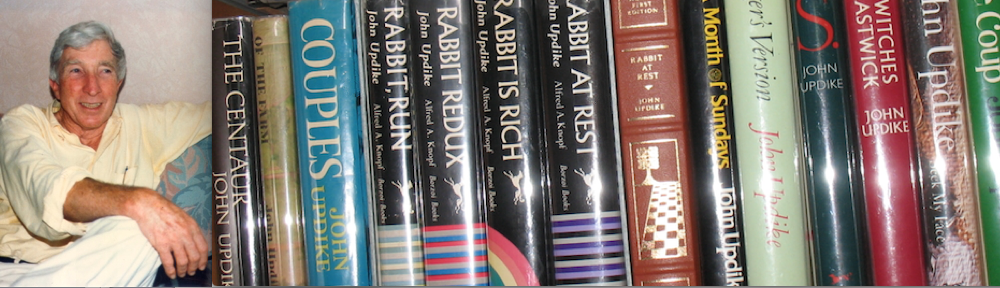
British novelist and short story writer William Boyd wrote a piece for The Spectator on a curious consequence of literary fame—mass booksignings—that began with an anecdote about John Updike:
“The late John Updike once wrote an amusing article about signing books. This wasn’t at some literary event with a few dozen fans queueing – no, it was vastly more daunting. An American book club had taken one of Updike’s novels for its Book of the Month and asked him to sign 25,000 copies – guaranteed sales, of course, hard to refuse. They sweetened the pill by flying him to a Caribbean island for a couple of weeks and putting him up in a beachside bungalow. There, a team of assistants brought him 100 books at a time and he would sign away, three hours in the morning and three hours in the afternoon. Updike was very droll about the discombobulating effects of signing your own name thousands upon thousands of times. It became an almost existential crisis. His signature became illegible; he began to wonder who this person ‘John Updike’ was and what relation he had to the automaton signing his name day after day.
“I feel I know something of what he went through. My publishers asked me to sign 6,000 so-called tip-in pages for the hardback of my new novel, The Predicament, that would be inserted into the book for an exclusive signed edition. No Caribbean island, alas.”
Read the whole article.
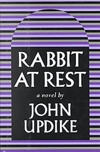 Heer had written, “Not too long ago, the Fourth of July was a festive occasion: a day of national celebration, hot dogs and parades, flag-waving and fireworks. John Updike memorialized the traditional July 4 holiday in Rabbit at Rest (1990), the
 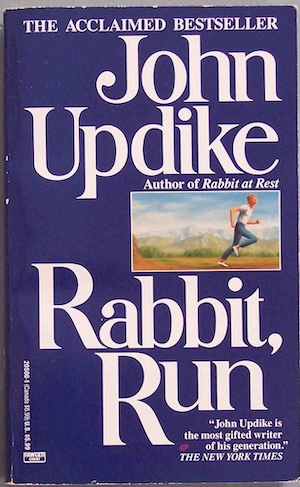 “John Updike’s 1960 novel introduced readers to Harry ‘Rabbit’ Angstrom, perhaps the most iconic character in suburban literature. Harry ‘Rabbit’ Angstrom is a middle-class man who feels there is something missing from his life. The novel follows Rabbit as he flees his suburban responsibilities—his pregnant wife, his job, his entire life—in a desperate attempt to recapture the vitality of his youth. Frank Wheeler, Piet Hanema, Frank Bascombe – these are a handful of the suburban men in the fiction of Richard Yates, John Updike, and Richard Ford. These writers all display certain characteristics of the suburban novel in the post-WWII era: the male experience placed at the forefront of narration, the importance of competition both socially and economically, contrasting feelings of desire and loathing for predictability, and the impact of an increasingly developed landscape upon the American psyche and the individual’s mind. Updike’s genius was in making Rabbit both sympathetic and infuriating—a man whose suburban malaise drives him to make increasingly destructive choices. The novel launched a series that would span four decades, chronicling the evolution of suburban America through one man’s journey.”
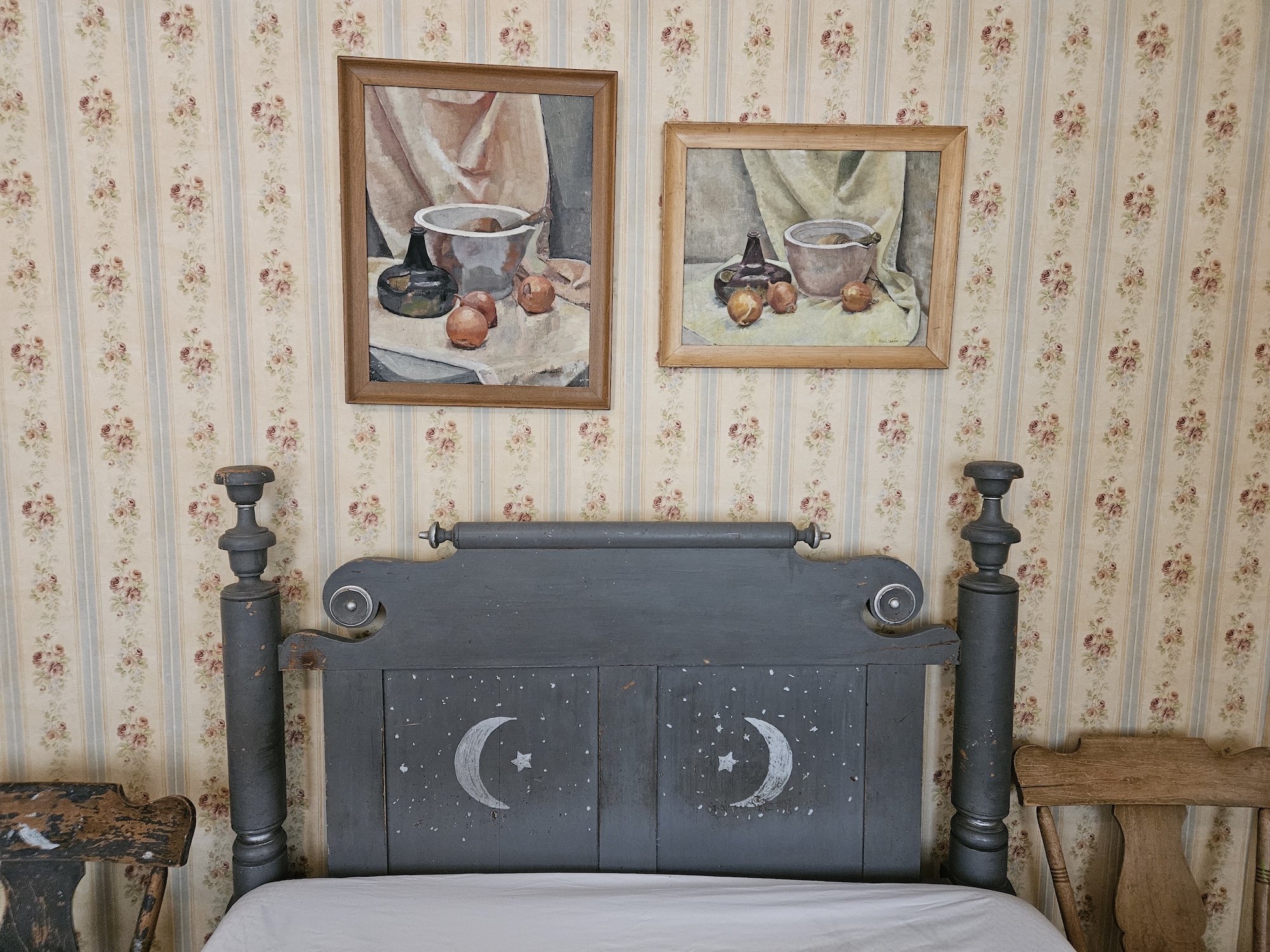 “At the greengrocer’s on Monday morning they purchased still life ingredients. The Constable School owned a great bin of inanimate objects, from which Leonard had selected an old mortar and pestle. His idea was then to buy, to make a logical picture, some vegetables that could be ground, and to arrange them in a Chardinesque tumble. But what, really, was ground, except nuts? The grocer did have some Jamaican walnuts.
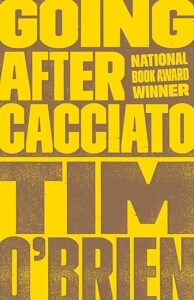 The issue was negative versus positive reviews. Christopher Lehmann-Haupt’s New York Times review was cited as an example of the former, with Lehmann-Haupt arguing that “by repeatedly invoking Catch-22 Mr. O’Brien reminds us that Mr. Heller caught the madness of war better, if only because the logic of Catch-22 is consistently surrealistic and doesn’t try to mix in fantasies that depend on their believability to sustain. I can even imagine it being said that
 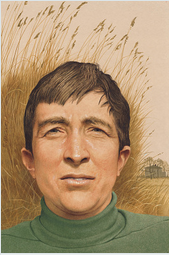 “American novelist John Updike claimed not to write for ego: ‘I think of it more as innocence. A writer must be in some way innocent.’ We might raise an eyebrow at this, from the highly successful and famously intrusive chronicler of human closeness. Even David Foster Wallace, the totem effigy of literary chauvinism, denounced Updike as a ‘phallocrat.’ But if we doubt such innocence of Updike, pronouncing as he was at the flushest height of fiction’s postwar heyday, we might believe it of these new novelists, writing as they are and when they are. Without a promise of glory, and facing general skepticism, they have written from pure motives. They are novelists as Updike defined them: ‘only a reader who was so excited that he tried to imitate and give back the bliss that he enjoyed’.
