Program director Bernard F. Rodgers, Jr. and site director Quentin Miller are pleased to announce details of the Second Biennial John Updike Society Conference in Boston, co-sponsored by Suffolk University.
 Suffolk, the third largest university in Boston, is located on Beacon Hill, adjacent to the Massachusetts State House and not far from the famed Boston Commons and the start of the Freedom Trail walking tour of the city’s historical landmarks (map). It’s close to the subway and a quick and easy ride to and from the airport. We’ll provide complete directions as the time draws nearer.
This conference, members have the choice of staying at the Holiday Inn Boston at Beacon Hill a short walk from Suffolk, or in a Suffolk University dormitory room with common (shared) bathroom. The Holiday Inn rate is $179 (plus taxes and surcharges) per night, and members should mention The John Updike Society block (40 rooms reserved) and the $179 rate when booking, or it’s considerably more expensive. You’ll need to book the hotel by phone, and the Holiday Inn phone number is (617) 742-7630. The dorm rate at Suffolk University is $76 for a single, and $54 for a double (per person). Suffolk dorm housing reservations
Some of the highlights? Joyce Carol Oates, of course. And the Updike family is mounting a special exhibit of objects and mementos mentioned in the fiction. You’ll get to see them up-close, after which Michael Updike and others will talk about the items in a special session. In addition, Mary and Bob Weatherall have graciously agreed to allow members to see several rooms of their house at 66 Labor-in-Vain Road—one of the houses in Ipswich where John Updike once lived. And baseball fans will find our tour of Fenway Park memorable, especially since Fenway is celebrating its centennial this year and Updike witnessed Ted Williams’ historic last at-bat there, resulting in one of the all-time great sports stories: “Hub Fans Bid Kid Adieu.”
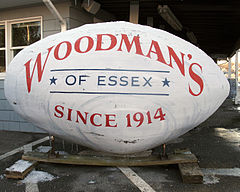
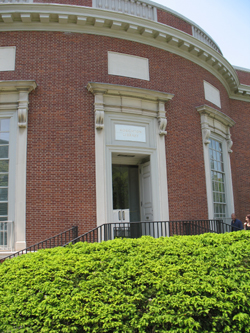 The conference will begin with a reception hosted by Suffolk University at 6 p.m. on Tuesday, June 12, followed by the keynote address by Oates. Wednesday, June 13 features academic sessions, the family session, an optional walking tour of literary Boston, the Fenway Park tour, and a 6 p.m. reception hosted by Suffolk University. On Thursday, June 14, following morning academic panels everyone will head for Cambridge for a look at Harvard sites—including the fabled Lampoon and the dorm where Updike stayed. Then it’s on to the Houghton Library, the chief repository for John Updike’s papers. We’ll be welcomed by curator Leslie Morris, who’s mounting a small, special exhibit for Society members and, with The John Updike Review, co-hosting a reception for us. Friday, June 15, is bus day. Following academic panels and a session featuring North Shore area friends of Updike, members will board buses for a drive to Salem to see some of the Hawthorne sites. Members who haven’t seen the buildings there will have the time to tour the Hawthorne House, The House of the Seven Gables, the Custom House, etc., before we board the buses for a tour of Updike sites in Ipswich and conclude with an old-fashioned clambake on the Top Deck at Woodman’s of Essex—which the Updike children said was a favorite eatery of their dad’s. The final panels are scheduled for the morning of Saturday, June 16, with the conference coming to an end following the 11 a.m. business meeting of the Society.
We hope you’ll join us and help us maintain the momentum the Society enjoyed for the first three years! We’ll post more details, registration information, and a conference schedule with papers in the coming weeks. In the meantime, if you have any questions, email Society president James Plath (jplath@iwu.edu).
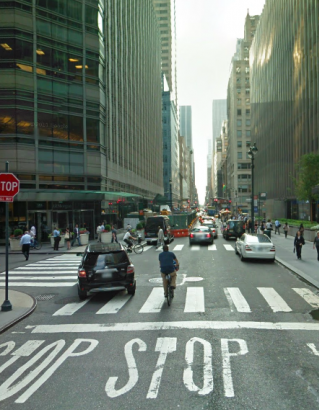 The John Updike Review editor James Schiff passed along this item about New York City streets and a John Updike mention, invoking one of his old unsigned Talk of the Town features.