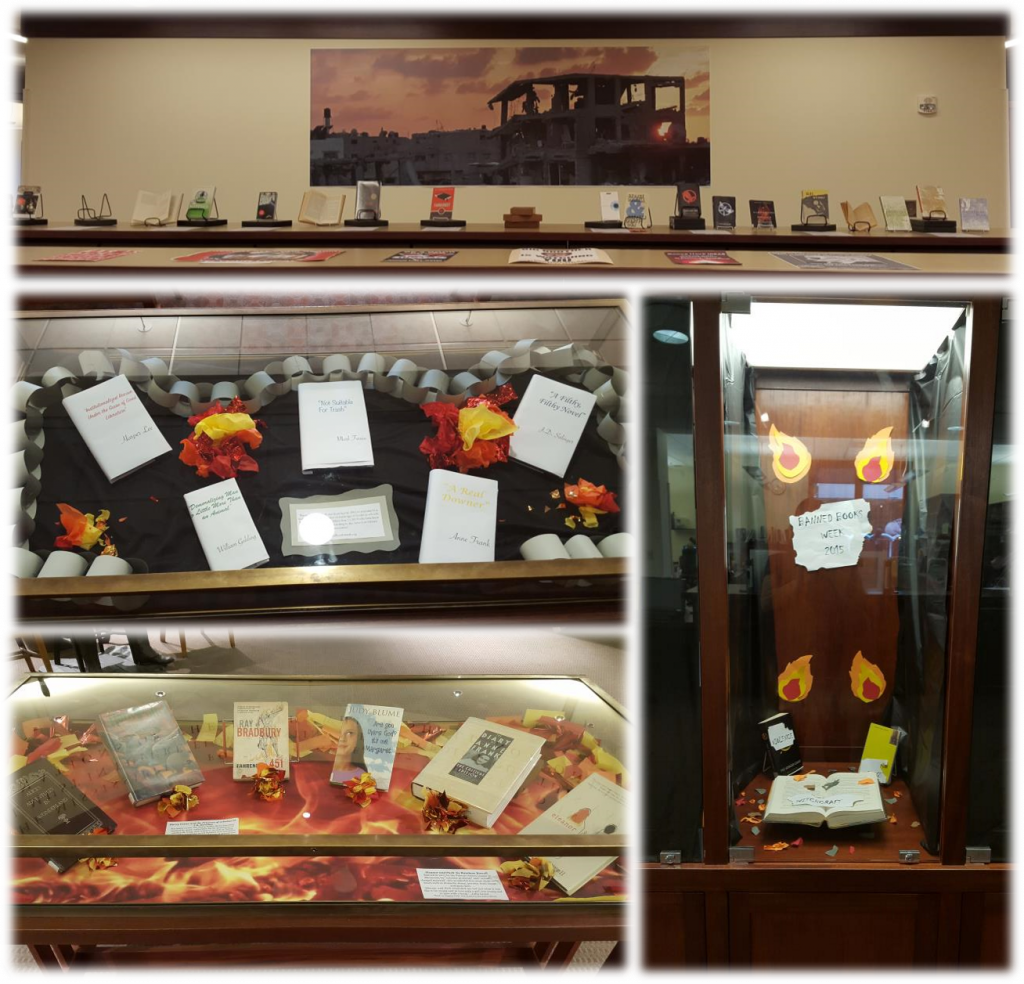
 Banned Books Week is the national book community’s annual celebration of the freedom to read. Hundreds of libraries and bookstores around the country draw attention to the problem of censorship by mounting displays of challenged books and hosting a variety of events. The 2015 celebration will be held September 27-October 3.
Students in Prof. Schmidt’s Gateway class (Banned & Burned) worked in groups to create
interactive, educational displays celebrating Banned Books Week. Four exhibits will be on display on the entry level. Check out some of the photos on The Ames Library’s Facebook page. Do you have ideas for an exhibit? Get in touch with Meg Miner for details on how you can create your own!
—–
Banned Books Week was launched in 1982 in response to a sudden surge in the number of challenges to books in schools, bookstores and libraries. More than 11,300 books have been challenged since 1982 according to the American Library Association. There were 311 challenges reported to the Office of Intellectual Freedom in 2014, and many more go unreported. The 10 most challenged titles of 2014 were:
1) The Absolutely True Diary of a Part-Time Indian, by Sherman Alexie
Reasons: anti-family, cultural insensitivity, drugs/alcohol/smoking, gambling, offensive language, sex education, sexually explicit, unsuited for age group, violence. Additional reasons: “depictions of bullying”
2) Persepolis, by Marjane Satrapi
Reasons: gambling, offensive language, political viewpoint. Additional reasons: “politically, racially, and socially offensive,” “graphic depictions”
3) And Tango Makes Three, Justin Richardson and Peter Parnell
Reasons: Anti-family, homosexuality, political viewpoint, religious viewpoint, unsuited for age group. Additional reasons: “promotes the homosexual agenda”
4) The Bluest Eye, by Toni Morrison
Reasons: Sexually explicit, unsuited for age group. Additional reasons: “contains controversial issues”
5) It’s Perfectly Normal, by Robie Harris
Reasons: Nudity, sex education, sexually explicit, unsuited to age group. Additional reasons: “alleges it child pornography”
6) Saga, by Brian Vaughan and Fiona Staples
Reasons: Anti-Family, nudity, offensive language, sexually explicit, and unsuited for age group. Additional reasons:
7) The Kite Runner, by Khaled Hosseini
Reasons: Offensive language, unsuited to age group, violence
8) The Perks of Being a Wallflower, by Stephen Chbosky
Reasons: drugs/alcohol/smoking, homosexuality, offensive language, sexually explicit, unsuited for age group. Additional reasons: “date rape and masturbation”
9) A Stolen Life, Jaycee Dugard
Reasons: drugs/alcohol/smoking, offensive language, sexually explicit, and unsuited for age group
10) Drama, by Raina Telgemeier
Reasons: sexually explicit
More information on banned and challenged books is available on theAmerican Library Association website.
 ideas of nationalism. By examining how the Olympic movement developed in Puerto Rico, Antonio Sotomayor illuminates the profound role sports play in the political and cultural processes of an identity that developed within a political tradition of autonomy rather than traditional political independence. Dr. Sotomayor’s talk describes the surprising negotiations that gave rise to Olympic sovereignty in a colonial nation, a unique case in Latin America, and uses Olympic sports as a window to view the broader issues of nation building and identity, hegemony, postcolonialism, international diplomacy, and Latin American–U.S. relations. Dr. Sotomayor’s lecture is part of the 2015-16 University Theme “A Nation(s) Divided?” For more information on this event, please contact Prof. Carmela Ferradáns cferrada@iwu.edu
 A Sinner’s Semester at
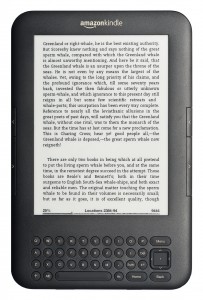 check out a Kindle and borrow books electronically?